Introduction
Oral health is often overlooked, yet it plays a critical role in overall well-being. This week, the World Health Organization (WHO) issued a strong warning about the growing global burden of oral diseases, highlighting a public health crisis that affects billions of people worldwide. Tooth decay, gum disease, oral infections, and oral cancers are rising rapidly, especially in low- and middle-income countries—but developed nations are not immune.
Alongside this warning, several other important global health stories made headlines, drawing attention to lifestyle habits, healthcare access, and preventive care. Together, these developments emphasize a simple but powerful message: prevention, awareness, and early action can save lives.
In this article, we break down WHO’s warning on oral disease, explain why it matters, and summarize the top health stories of the week, offering practical and actionable insights for individuals, families, and healthcare systems.
WHO’s Warning on Oral Disease: A Growing Global Crisis
Why Oral Disease Is a Major Public Health Concern
According to WHO, oral diseases are among the most common noncommunicable diseases worldwide. Despite being largely preventable, they affect people of all ages and socioeconomic backgrounds.
Common oral health conditions include:
- Tooth decay (dental caries)
- Gum disease (periodontal disease)
- Oral infections
- Tooth loss
- Oral cancers
These conditions cause pain, discomfort, difficulty eating, and reduced quality of life. In severe cases, they can lead to systemic health complications.
The Scale of the Problem
WHO estimates that billions of people globally suffer from oral diseases, making it a silent epidemic.
Key concerns highlighted by WHO include:
- Limited access to dental care
- High consumption of sugar
- Poor oral hygiene awareness
- Unequal healthcare systems
Oral health disparities are especially severe in underserved communities, where dental care is often considered a luxury rather than a necessity.
The Link Between Oral Health and Overall Health
Oral Disease and Chronic Illness
WHO stresses that oral health cannot be separated from general health. Poor oral hygiene is linked to several serious medical conditions.
These include:
- Heart disease
- Diabetes complications
- Respiratory infections
- Adverse pregnancy outcomes
Inflammation and infection in the mouth can spread throughout the body, worsening existing health conditions.
Mental and Social Impact
Oral disease also affects mental well-being.
People suffering from dental problems may experience:
- Low self-esteem
- Social withdrawal
- Anxiety and depression
WHO emphasizes that oral health is not just about teeth—it is about dignity, confidence, and quality of life.
Key Causes Behind the Rise in Oral Diseases
High Sugar Consumption
Excessive sugar intake remains one of the leading causes of oral disease worldwide.
Major sources include:
- Sugary drinks
- Processed snacks
- Sweets and desserts
- Hidden sugars in packaged foods
WHO continues to advocate for reduced sugar consumption as a key preventive measure.
Lack of Preventive Dental Care
Many people only visit a dentist when pain becomes unbearable.
Challenges include:
- High treatment costs
- Lack of dental insurance
- Limited dental clinics in rural areas
WHO encourages a shift from treatment-based care to preventive oral healthcare.
Top Global Health Stories This Week
Rising Concern Over Lifestyle-Related Diseases
Beyond oral health, experts are raising alarms about lifestyle-related diseases.
Key trends include:
- Increased rates of obesity
- Higher cases of type 2 diabetes
- Growing mental health challenges
Health authorities emphasize that diet, physical activity, and preventive care are interconnected.
Mental Health Awareness Gains Momentum
Mental health continues to be a major global focus.
Recent developments highlight:
- Increased calls for workplace mental health support
- Growing awareness of stress-related disorders
- Integration of mental health into primary healthcare systems
Experts stress that mental and physical health must be addressed together.
Preventive Healthcare Takes Center Stage
Governments and health organizations are increasingly prioritizing prevention.
This includes:
- Public awareness campaigns
- Early screening programs
- Community-based health education
WHO strongly supports preventive approaches as the most cost-effective health strategy.
WHO’s Recommendations for Better Oral Health
Daily Oral Hygiene Practices
WHO emphasizes simple daily habits that can dramatically reduce oral disease risk.
Recommended practices include:
- Brushing teeth twice a day with fluoride toothpaste
- Flossing daily
- Rinsing with clean water after meals
- Avoiding tobacco products
Consistency is key to long-term oral health.
Healthy Dietary Choices
Nutrition plays a major role in oral and overall health.
WHO advises:
- Limiting sugary foods and drinks
- Eating fruits, vegetables, and whole foods
- Drinking safe, clean water
Healthy eating protects both teeth and the body.
Regular Dental Check-Ups
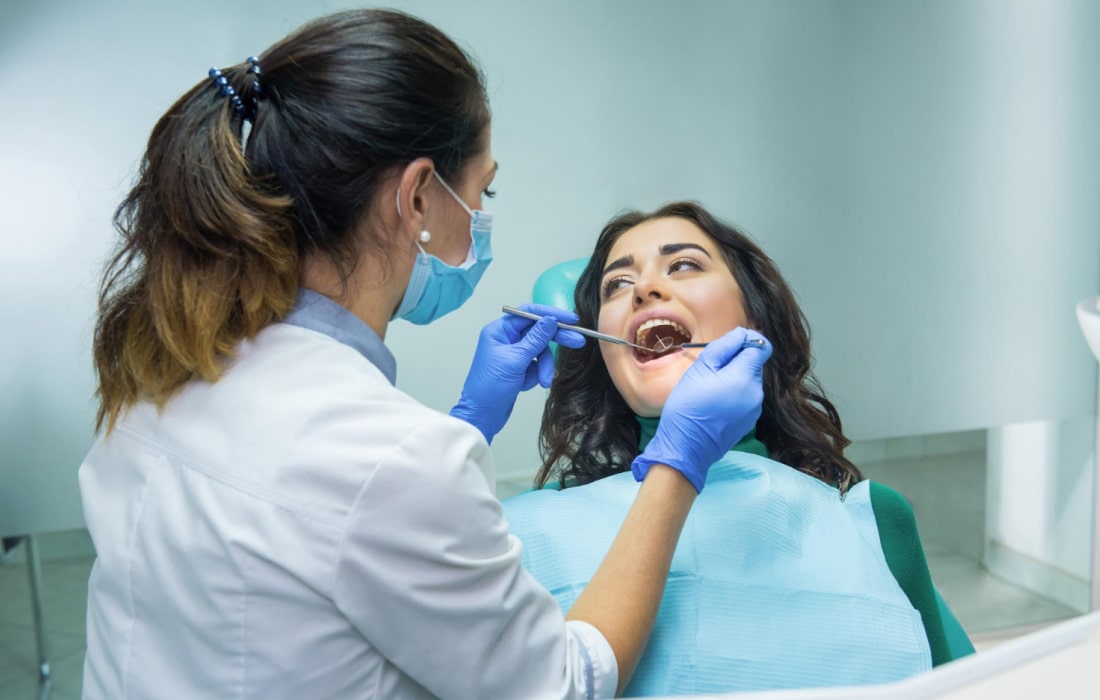
Preventive dental visits help detect issues early.
Benefits include:
- Early treatment of cavities
- Gum disease prevention
- Oral cancer screening
WHO encourages governments to integrate oral care into primary healthcare systems.
Why Oral Health Awareness Matters More Than Ever
Economic and Social Costs
Untreated oral diseases place a heavy burden on healthcare systems and economies.
Consequences include:
- Lost productivity
- Increased healthcare expenses
- Reduced educational outcomes in children
Prevention is far more affordable than treatment.
Closing the Oral Health Gap
WHO calls for:
- Universal access to essential oral healthcare
- Affordable dental services
- Community education programs
Oral health should be a basic human right, not a privilege.
Actionable Steps Individuals Can Take Today
You don’t need expensive treatments to protect your oral health.
Simple steps include:
- Reducing sugar intake
- Maintaining daily oral hygiene
- Scheduling routine dental check-ups
- Teaching children proper brushing habits
Small actions create long-term benefits.
Conclusion
The WHO warning on oral disease serves as a powerful reminder that oral health is an essential part of global health. As highlighted among the top health stories this week, rising oral diseases reflect broader issues related to lifestyle, inequality, and preventive care.
By prioritizing oral hygiene, making healthier dietary choices, and supporting preventive healthcare systems, individuals and communities can reduce the burden of oral disease worldwide. Awareness, education, and early action remain the strongest tools in protecting both oral and overall health.
Healthy mouths lead to healthier lives—and it’s time the world takes oral health seriously.
Leave a Reply